ADA Mobile Bathroom Rental: Understanding Easily Accessible Commode Room Requirements
Renting mobile restrooms appears basic until ease of access gets in the discussion, and then it quickly comes to be clear that "basic plus one larger unit" is not a real compliance strategy. People commonly request for an ADA portable toilet as if it were a product classification you can check off with a single telephone call. In method, accessibility relies on more than the shell of the device. It relies on the variety of devices in the collection, the path to the unit, the entrance, the interior clearances, and whether the setup helps the person that actually requires to make use of it.
That distinction matters since mobile toilets appear in position where individuals have extremely little margin for aggravation. A wedding event guest utilizing a mobility device can not simply "make do" with a cramped device at the far edge of a sloppy field. A parent aiding a grown-up child with a wheelchair disability at an area occasion needs area and a usable door approach, not a good purpose. On a long occasion day, a washroom that is practically existing however virtually unreachable is not much far better than no washroom at all.
If you are setting up an ADA mobile toilet leasing, the best frame of mind is to deal with ease of access as component of website preparation, not as a device. The federal standard originates from the 2010 ADA Criteria for Accessible Layout, as translated by the Access Board and the Department of Justice. Those criteria do not simply look at the toilet fixture. They consider how somebody reaches the system, enters it, maneuvers inside it, and uses it with dignity and independence.
The first inquiry is not the version, it is the setup
A lot of rental discussions start with the device itself. Is it an ada certified mobile toilet? Is it one of the bigger ada-compliant portable restrooms? Does it have grab bars? Those are reasonable concerns, however they are inadequate on their own.
Accessibility for portable bathrooms is analyzed in context. If there is a cluster of single-user mobile toilet devices, at least 5 percent of the devices in that cluster should come. The Access Board has actually explained that this applies also at short-term events. That point captures individuals off-guard due to the fact that momentary arrangements are frequently dealt with casually. The legislation does not treat them delicately just because they are short-term.
That indicates an event financial institution, a fairground lineup, or a short-lived bathroom area at a public event needs scoping that represent available systems in the collection. If someone orders 10 devices, the conversation can not stop at "we have restrooms on site." The cluster itself needs to consist of the needed obtainable provision.
This is likewise where language can misinform people. Terms like ada handicap easily accessible mobile restroom or ada easily accessible portable toilet are frequently used in the rental market, yet the beneficial question is not what the sales brochure calls the unit. The beneficial concern is whether the given system, in its mounted location, satisfies the appropriate access requirements.
What the ADA is actually looking for
Portable restroom ease of access has a useful reasoning behind it. A toilet is just obtainable if an individual can approach it, enter it, turn or place inside it as required, and use the component and sustains intended for safe transfer and security. The criteria as a result reach numerous different parts of the experience.
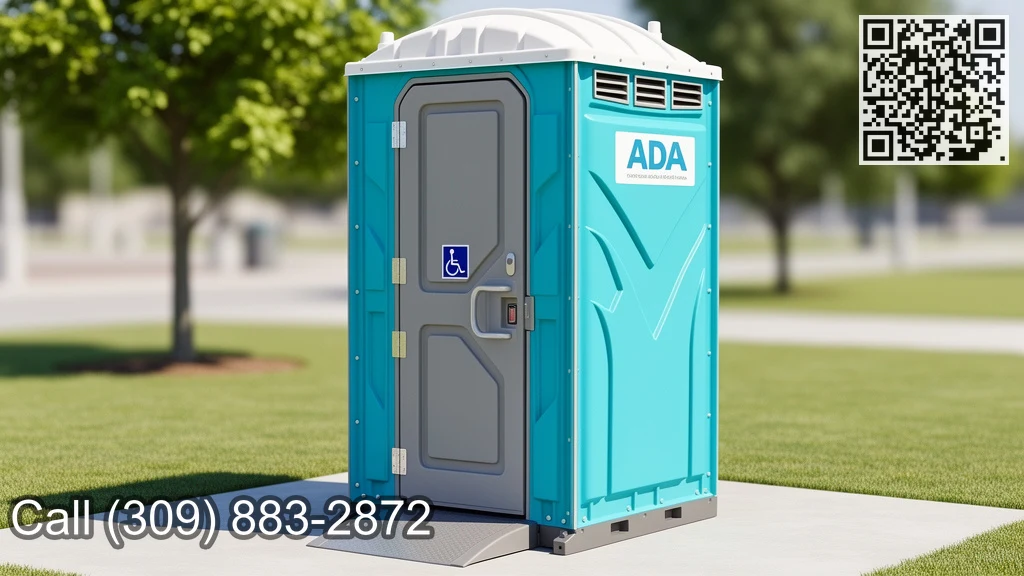
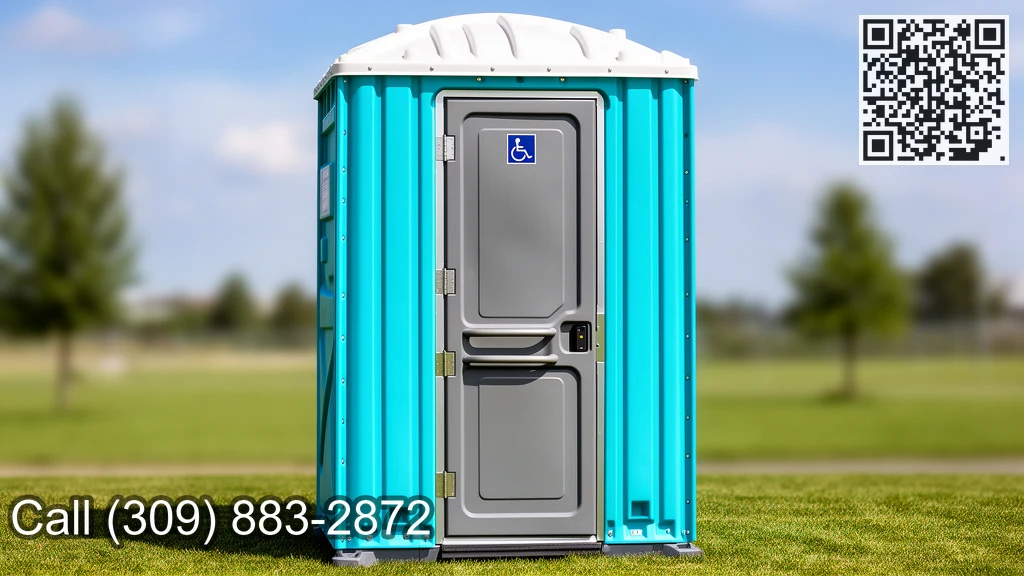
The unit need to be understood the International Icon of Accessibility. That sounds small, yet it matters. At crowded events, individuals should have the ability to situate the accessible system promptly without uncertainty. A person should not require to open numerous doors or ask team where the useful restroom is.
There should additionally be an easily accessible path to the system and an accessible entryway. This is where many or else respectable arrangements stop working. A compliant-looking device put past ruts, deep gravel, a high quality, or a lip that calls for help is a problem. If ramps or landings are required, they need to comply with ADA technological requirements too. The course and the entrance are not optional side problems. They belong to the available restroom.
Inside the device, the technical demands for bathroom rooms still apply. That includes interior clearances, turning room, door steering clearances, and the relevant grab-bar and water-closet clearance policies. Those attributes are the distinction in between "larger than standard" and really useful. I have seen individuals presume that width alone fixes ease of access. It does not. An area can be noticeably bigger and still stop working the maneuvering or transfer needs that the ADA addresses.
Why positioning often causes the most significant problems
If there is one lesson that comes up over and over in portable washroom planning, it is that a compliant system can be weakened by a careless site plan. You can purchase ada certified obtainable mobile washrooms from a trustworthy supplier and still develop a poor outcome if the ground conditions and approach are ignored.
Picture a temporary occasion on grass after two days of rain. The rental company delivers an ada mobile commode that, theoretically, is the ideal kind of system. The occasion staff puts it next to the rest of the financial institution, however the only route goes across soft dirt that grabs at wheels and walkers. The easily accessible system is present, identified, and impossible for many users to get to separately. Nothing regarding that result really feels rare to individuals that work occasions. It happens since access obtains reviewed late, after power, fence, phase accessibility, supplier positioning, and auto parking have already taken the best terrain.
The better technique is to pick the location with the available course in mind initially. Steady ground, affordable gain access to from the occasion path, enough method clearance at the door, and any kind of required ramp or landing ought to all be considered prior to the truck gets here. Once a device is dropped into a cramped or irregular place, there are limitations to what can be chosen the fly.
Temporary occasions still count
One of one of the most relentless misunderstandings in this area is the idea that momentary means excluded. It does not work this way for public-facing mobile commode collections. The Gain access to Board has specifically stated the cluster demand applies even at temporary events. A one-day fundraising event, weekend food event, or seasonal outdoor attraction still needs to think seriously about accessibility.
That is necessary due to the fact that momentary events are where people usually rely on mobile cleanliness. Long-term toilets may be also far, closed, inadequate for crowd size, or totally lacking. The temporary toilet area comes to be the primary bathroom area. When that occurs, access is not a side issue, it is a basic solution issue.
There is also a human side to this that does not always come with in lawful discussions. Visitors see when they are dealt with as an afterthought. If the ada portable restroom is concealed behind supply trailers, obstructed by trash carts, or parked where a wheelchair user needs aid simply to open the door, that sends a message. The occasion might not mean that message, however people feel it anyway.
Construction websites are a narrower and typically misconstrued exception
Construction brings its very own confusion since individuals hear there is an exception and afterwards think it applies generally. The difference is narrower than lots of people think.
The older 1991 requirement consisted of an exception from the portable-toilet ease of access scoping demand for construction websites where the systems are used exclusively by building personnel. That does not imply all portable bathroom rentals are excluded. It does not mean a public occasion held near building can ignore ease of access. And it does not wipe away the more comprehensive guideline for basic portable commode arrangements serving the public.
This is one of those areas where a little partial expertise creates a lot of difficulty. If the usage is not limited to building and construction employees in that details context, the safer presumption is that available portable bathroom demands still matter. Any individual planning a public-facing website ought to be really cautious concerning leaning on the construction exception.
What to ask prior to you sign the rental order
People typically wait until the day before shipment to ask the access concerns that need to have shaped the order from the beginning. A short planning discussion can protect against costly shuffling, rushed replacements, and a great deal of irritation for guests.
Here are the inquiries worth settling early:
- How several portable toilet units will remain in each cluster, and just how will the accessible-unit need be met?
- Where is the available path from arrival locations or event courses to the bathroom location?
- Is the chosen placement steady enough, degree enough, and open sufficient for the system's entryway and door maneuvering needs?
- Will any type of ramp or touchdown be needed, and if so, will it meet ADA technical requirements?
- Is the available device plainly related to the International Sign of Accessibility?
That listing is brief intentionally. You do not need a lawful memorandum to enhance the end result. You require the right concerns while there is still time to make sensible changes.
The expression "ADA compliant" is worthy of a 2nd look
In marketing, "ADA compliant portable toilets" and "ADA certified portable bathrooms" know expressions. They work shorthand, however they can lull people into thinking the job is done. The expression by itself does not ensure that the unit, the path, and the installment with each other meet the standard.
A company may precisely explain a design as an ada compliant portable commode in the sense that the device is created for easily accessible usage. However the completed result relies on site conditions and configuration. The course may be unattainable. The door approach might be blocked. The cluster might have too few accessible systems. The recognition may be missing. An absolutely available installation is a mix of devices and execution.
That is why knowledgeable coordinators often tend to press for specifics instead of tags. They discuss where the system will certainly sit, how visitors will reach it, who is checking problems on website, and whether the last design protects the clearances the unit needs to work as intended.
Real-world judgment issues since not every site is easy
Portable restrooms are usually required in imperfect atmospheres. Open up fields, parking lots under reconfiguration, active event grounds, roadside occasions, and short-term workspace all create constraints. The ADA requirements still use, however the path to fulfilling them might need even more judgment than individuals expect.
A gravel great deal is a good example. Some gravel surfaces are portable and fairly navigable. Others are loose enough to create immediate mobility barriers. 2 websites can look similar in an image and behave extremely differently under wheels, walking sticks, and pedestrians. The same goes with yard. A dry yard may function where a damp yard falls short by noon. If you have a choice between a picturesque placement and a useful one, accessibility generally demands the sensible one.
Another recurring concern is group circulation. Sometimes the obtainable system is installed in a place that was fine at arrangement, after that ends up being boxed in by barriers, vendor queues, colders, or occasion design. This is especially usual when various teams manage different parts of the site. The restroom vendor does something, the event procedures staff does one more, and nobody checks the entire course once more after last arrangement. By opening up time, the accessible course is compromised.
The solution is not extravagant. Somebody needs to walk the path and take a look at the real problems from the user's viewpoint. Can somebody find the system, reach it, approach the door, and use it without improvisating? That basic examination catches extra issues than a pile of order forms.
The scoping regulation appears easy, but counting clusters calls for attention
The requirement that a minimum of 5 percent of devices in each cluster come is simple at a high level, but words "cluster" is entitled to focus. Mobile commodes are commonly spread throughout a site in financial institutions or groups as opposed to treated as one huge stock matter. That matters due to the fact that accessibility needs to be existing where people in fact encounter the units.
If an occasion has a number of different restroom banks, organizers should assume meticulously concerning each grouping rather than presuming one available unit someplace on the premises resolves everything. Distance, surface, and blood circulation patterns all impact usability. A person should not need to take a trip much past multiple inaccessible units to find the one they can use.
This is another reason to stay clear of last-minute bathroom planning. As soon as the clusters are laid out, energy paths are established, and secure fencing is installed, moving devices to take care of scoping or directing blunders ends up being more challenging and even more expensive.
Accessibility belongs to a larger conformity climate
Even if your instant issue is an ada portable commode service for one site, it aids to recognize the more comprehensive instructions of ADA enforcement. Accessibility assumptions are not shrinking. They are being attended to throughout more parts of business life, including electronic accessibility. In 2026, the Department of Justice expanded the due date for certain state and city government internet and mobile access policies to April 26, 2027 for bigger entities, which shows a bigger conformity atmosphere instead of a slim concentrate on buildings alone.
That broader context matters because it transforms exactly how organizations ought to think. Ease of access is not a one-off purchase issue. It is a functional practice. The same attitude that boosts site access, occasion gain access to, and customer communication must also form restroom planning. When groups treat accessibility as basic planning rather than exception handling, the quality of decisions boosts throughout the board.
Common mistakes that produce preventable trouble
Most accessibility failures in portable bathroom setups are not mystical. They have a tendency to come from rushing, presumptions, or fragmented responsibility.
A few of one of the most typical problems include:
- ordering a single accessible unit without examining whether the cluster count needs more
- placing the unit on a path that comes to be sloppy, soft, or obstructed
- assuming a big system is certified without validating the full installment conditions
- forgetting visible identification with the International Icon of Accessibility
- treating short-lived occasions as if ease of access regulations are optional
None of these are exotic technological traps. They are average planning misses. That is really excellent information, since regular planning misses can be prevented.
Choosing compassion over minimums
There is a legal standard right here, and it matters. But there is also a quality-of-service inquiry that should have equal attention. Individuals utilizing accessible portable bathrooms are not requesting for special therapy. They are requesting the exact same fundamental self-reliance every person else gets out of a toilet visit.
That perspective transforms the tone of the preparation meeting. Rather than asking, "What is the minimum ada portable commode demand we can get away with?" A far better inquiry is, "Will this arrangement work smoothly for somebody getting here on site without needing to negotiate for help?" Those two concerns can result in very various website decisions.
Empathy likewise helps with edge instances. For instance, if a route practically exists however will clearly wear away under rainfall or rush hour, a seasoned coordinator does not await issues. They adjust the strategy. If the only easily accessible unit is likely to be hard to find in a crowded field, much better wayfinding is added. If the bathroom bank will certainly be surrounded by lines and obstacles, added care is required to preserve strategy area. That is not overbuilding. It is respecting exactly how individuals in fact make use of the site.
A much better basic for ADA mobile bathroom planning
When individuals look for terms like https://pristineportablesil.com/service-area-bettendorf/ ada-compliant portable toilet, ada certified mobile commodes, or ada handicap available portable toilet, they are typically trying to fix one functional issue: they intend to supply a washroom that is lawful, workable, and respectful. The challenge is that no solitary phrase captures the full requirement.
An easily accessible portable washroom arrangement needs to be counted correctly within its collection, identified properly, reachable by an easily accessible route, gone into with a compliant entryway, and useful inside under the appropriate toilet-room technical demands. Those pieces work together. Leave one out, and the arrangement might stop working the individual it was implied to serve.
The excellent information is that the course onward is not mystical. Beginning early. Strategy the site, not simply the rental order. Confirm the obtainable course and entry. Bear in mind that momentary occasions still count. Beware with exemptions that apply just in slim construction-site situations. And do not allow the label on the pamphlet alternative to an actual review of the installed conditions.
That is what liable ADA portable bathroom preparation resembles. It is much less regarding inspecting a box and even more concerning making certain every guest or user can fulfill a very regular demand without barriers, embarrassment, or reliance on someone else's help.
 Ask ChatGPT
 Ask Grok
 Ask Perplexity
 Ask Claude
 Ask Google AI
 Ask You